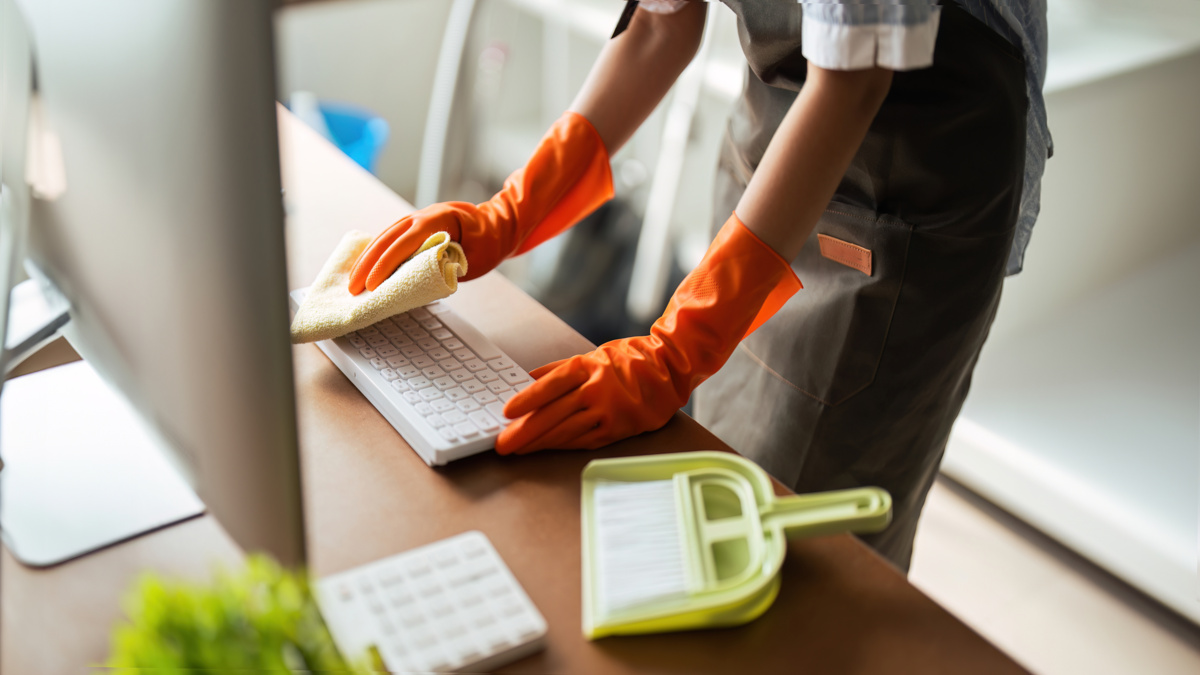
Workplace illness often traces back to overlooked touchpoints. Door handles, desks, restrooms, and shared equipment can quietly spread bacteria and viruses if protocols are inconsistent. Proper disinfecting of surfaces is not about overusing chemicals or reacting to sickness. It is about following a clear, repeatable process that protects employees, customers, and your business operations.
Below, we explain how professional workplace disinfection works, where problems often occur, and when expert support makes sense.
Why Proper Workplace Disinfection Matters
Businesses rely on shared spaces. Offices, retail stores, medical facilities, and industrial buildings all involve frequent contact with the same surfaces throughout the day.
When cleaning standards fall short, risks increase.
- Higher employee sick days and lost productivity
- Greater chance of illness spreading across teams
- Negative impressions for customers and visitors
- Potential compliance and liability concerns
Routine cleaning removes dirt and debris. Disinfection addresses the unseen risks that affect health and continuity. Our team sees many workplaces where cleaning happens regularly, but disinfecting steps are inconsistent or incomplete.
Key Takeaway: A consistent disinfection plan protects people and helps maintain trust in your workplace environment.
Cleaning vs Sanitizing vs Disinfecting
These terms are often used interchangeably, but they serve different purposes in a commercial setting.
What Cleaning Actually Does
Cleaning removes visible dirt, dust, and organic material from surfaces. This step is critical because debris can block disinfectants from working properly.
Examples include:
- Wiping desks with soap and water
- Mopping floors with general cleaners
- Removing spills and residue
What Sanitizing Means in a Commercial Setting
Sanitizing lowers germ levels to standards considered safe by public health guidelines. It is commonly used in lower-risk areas and food-related environments.
Sanitizing typically involves:
- Weaker chemical solutions
- Shorter contact times
- Maintenance between deeper cleanings
What Disinfecting Accomplishes
Disinfecting kills most viruses and bacteria on surfaces when applied correctly. This step is essential in high-touch and high-risk areas.
It requires:
- EPA-approved disinfectants
- Proper surface preparation
- Adhering to the required dwell time
High-Risk Surfaces in Commercial Buildings
Not all areas require the same level of attention. Our approach prioritizes surfaces that are touched frequently or shared by many people.
High-Touch Office Surfaces
- Desktops and conference tables
- Phones, keyboards, and mice
- Light switches and door handles
Shared Employee Areas
- Breakroom counters and appliances
- Restroom fixtures and dispensers
- Time clocks and lockers
Customer-Facing Areas
- Reception desks and counters
- Seating areas and handrails
- Point-of-sale equipment
The Correct Process for Disinfecting Workplace Surfaces
Following the right sequence matters. Skipping steps reduces effectiveness and increases risk.
Step 1: Pre-Cleaning
Surfaces must be free of visible soil before disinfectants are applied. Soap and water or approved cleaners should be used to remove buildup.
Step 2: Product Selection
Disinfectants must be appropriate for the surface material and the type of germs being targeted. Using the wrong product can damage finishes or fail to disinfect properly.
Step 3: Dwell Time
Every disinfectant requires a specific contact time to work. Wiping too soon prevents the product from killing germs effectively.
Step 4: Safe Application Methods
Clean cloths and proper sequencing help prevent cross-contamination between rooms and surfaces.
Pro Tip: Using more product does not improve results. Correct application and timing matter more than quantity.
Surface-Specific Disinfection Best Practices
Different materials require different handling.
Hard, Non-Porous Surfaces
These include desks, counters, floors, and fixtures. They tolerate most commercial disinfectants when applied correctly.
Soft and Porous Surfaces
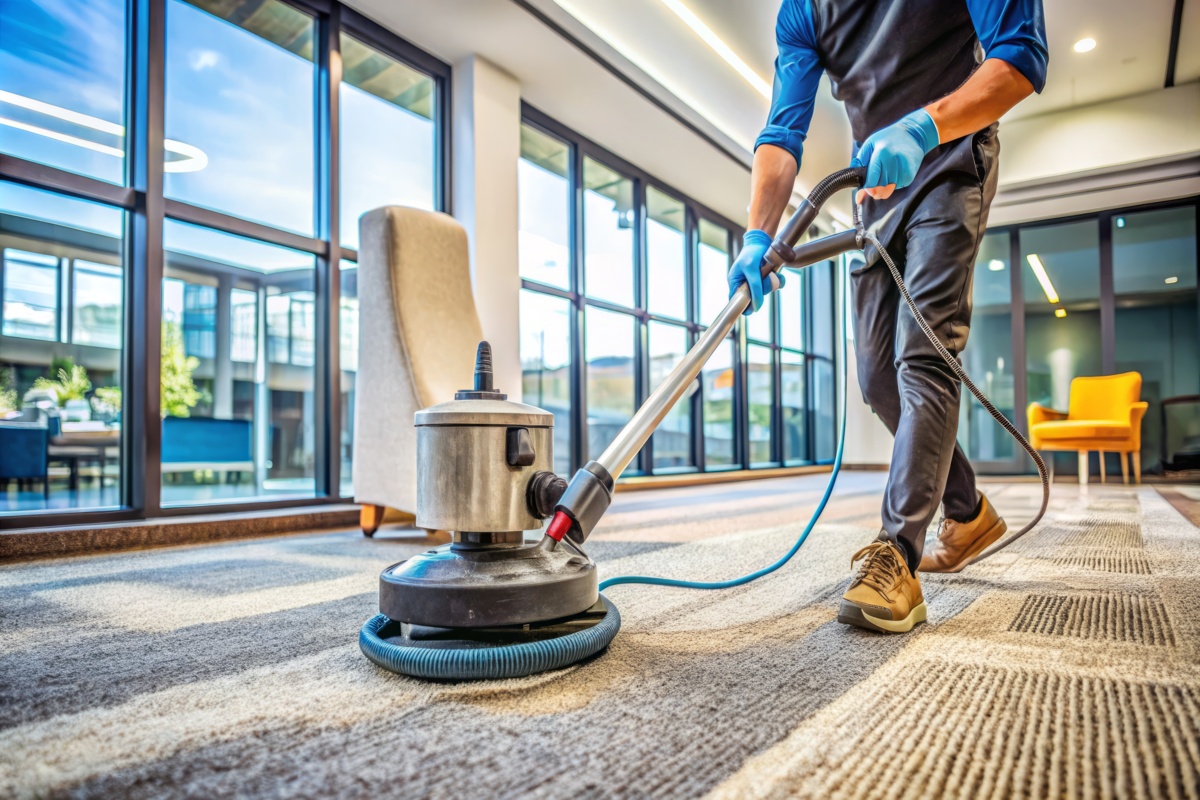
Carpets and upholstery are usually cleaned rather than disinfected. In some cases, specialized products may be used based on manufacturer guidance.
Electronics and Office Equipment
Low-moisture methods and manufacturer-approved wipes are essential to avoid damage.
Restroom and Breakroom Areas
These spaces require higher frequency and stricter protocols due to moisture and frequent use.
When Professional Disinfection Is Recommended
Some situations call for more than in-house cleaning routines.
- After confirmed illness exposure
- High-traffic commercial environments
- Medical, retail, and multi-tenant facilities
- Seasonal increases in illness
Need expert help with workplace disinfection? Contact Cleaning Up KC for a free consultation and customized service plan.
Why Businesses Trust Professional Commercial Cleaning Services
Professional crews follow standardized procedures, use commercial-grade products, and document results. This consistency reduces risk and removes uncertainty from daily operations.
Our team focuses on:
- Trained, insured staff
- Proven disinfection protocols
- Reliable scheduling
- Clear communication
How Cleaning Up KC Handles Workplace Disinfection
We provide commercial cleaning and disinfection services across the Kansas City area. Our programs are tailored to each facility type, usage level, and operational need.
Services include:
- Office and facility cleaning
- Targeted disinfection programs
- Industry-specific scheduling
- Local, responsive support
Common Workplace Disinfection Mistakes to Avoid
- Skipping pre-cleaning steps
- Ignoring product dwell times
- Using household cleaners in commercial spaces
- Inconsistent schedules
Avoiding these mistakes improves outcomes and protects your investment.
Final Takeaway
A clean workplace requires more than surface-level effort. Clear protocols, proper products, and consistent execution make the difference. If your business needs dependable results and professional support, our team is ready to help. Contact Cleaning Up KC to discuss your facility needs and ensure proper disinfecting of surfaces.