Healthcare environments operate under strict expectations for safety, documentation, and consistency. Cleaning in a medical facility has a direct impact on infection control, staff protection, and regulatory compliance. Patients notice cleanliness immediately, and inspectors expect clear procedures behind it.
When standards slip or processes vary, risk increases fast. Professional medical cleaning requires defined protocols, trained crews, and reliable execution. This guide explains how proper standards protect healthcare spaces and why structured cleaning matters.
Why Medical Facilities Require Higher Cleaning Standards
Infection Control and Cross-Contamination Prevention
Medical offices experience constant contact with shared surfaces, equipment, and furnishings. Without a controlled cleaning sequence, contaminants can easily move from one area to another. Our team follows clean-to-dirty workflows and uses designated tools for each space to limit cross-contamination. This approach helps reduce the spread of bacteria and viruses between patients, staff, and rooms.
Regulatory Expectations in Healthcare Settings
Healthcare facilities operate under expectations shaped by OSHA, CDC guidance, and local health departments. Even without a scheduled inspection, offices must maintain consistent cleaning practices. We structure our work to keep your facility inspection-ready at all times, not just when you expect a visit.
Why General Office Cleaning Is Not Enough
Standard office cleaning focuses on appearance, not exposure risk. Medical environments require training, product knowledge, and disciplined procedures. Without those elements, surfaces may look clean but still pose a risk.
Key Takeaway: Medical spaces require structured cleaning protocols that go beyond routine janitorial work.
Medical Facilities We Clean
We tailor services based on the type of care provided, patient volume, and layout of the space. This ensures each facility receives the level of attention it needs.
Medical Offices and Clinics
Primary care and specialty clinics require daily cleaning of exam rooms, restrooms, and common areas. We focus on consistency so staff can rely on predictable results.
Dental Offices
Dental practices introduce unique challenges due to aerosols and frequent surface contact. Our protocols prioritize chair areas, counters, and equipment-adjacent surfaces.
Urgent Care and Specialty Practices
Higher patient turnover increases exposure risks. These facilities often require enhanced attention to touch points and more frequent disinfection cycles.
Therapy and Outpatient Centers
Rehab and therapy spaces benefit from focused floor care, equipment wipe-downs, and controlled disinfecting routines that support patient safety.
Core Medical Facility Cleaning Standards and Protocols
Cleaning, Sanitizing, and Disinfecting Explained
Each step plays a role. Cleaning removes visible debris. Sanitizing reduces bacteria levels. Disinfecting neutralizes pathogens when products are applied correctly and left for proper dwell time. Skipping steps reduces effectiveness.
High-Risk vs Low-Risk Areas
Exam rooms, restrooms, and touch points receive priority every visit. Lower-risk areas follow scheduled rotations without compromising safety.
Cleaning Frequency Guidelines
High-traffic areas often require daily service, while administrative spaces may follow less frequent schedules. We adjust frequency based on actual use, not assumptions.
Documentation and Accountability
Checklists, logs, and supervisor reviews ensure tasks are completed correctly and consistently. Documentation supports transparency and quality control.
Pro Tip: Ask your cleaning provider how they document completed work. Clear records support accountability.
Step-by-Step Medical Office Cleaning Process
1. Pre-Cleaning Preparation and PPE
Our team arrives with appropriate personal protective equipment and color-coded tools. This prevents cross-use between restrooms, exam rooms, and common areas.
2. Surface Cleaning and Soil Removal
We remove debris and residue first so disinfectants can work as intended. This step improves effectiveness and prevents the spread of contaminants.
3. Disinfection and Dwell Time Control
Products are applied according to manufacturer guidelines and left undisturbed for proper dwell time. Rushing this step reduces protection.
4. Final Inspection and Quality Control
Supervisors verify completion before sign-off. Any missed items are corrected immediately.
Need expert help with healthcare cleaning? Contact Cleaning Up KC to schedule a walkthrough and receive a customized plan.
Detailed Cleaning Protocols by Area
Exam Rooms and Treatment Areas
- Tables, counters, chairs, and equipment surfaces
- Spot cleaning between visits when required
Waiting Rooms and Front Desks
- Seating arms and tables
- Check-in counters and clipboards
Restrooms and Handwashing Stations
- Fixtures, dispensers, and door hardware
- Floor disinfection and restocking
Floors and Floor Care
- HEPA vacuuming
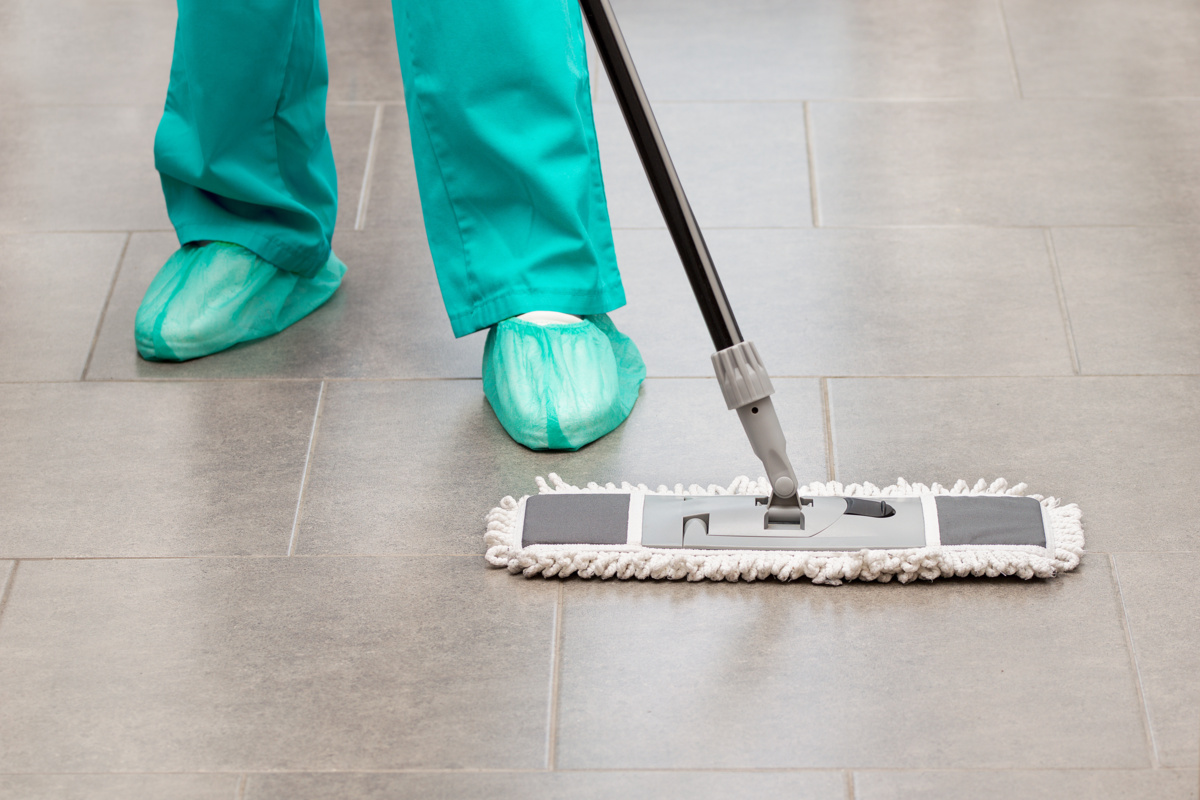
- Damp mopping with approved solutions
Furniture and High-Touch Points
- Light switches
- Door handles
- Shared equipment
Key Takeaway: High-touch surfaces receive priority every visit, not periodic attention.
Medical Waste Handling and Trash Removal
Routine Waste Awareness
While regulated biohazard disposal requires specialized vendors, we follow strict procedures for routine waste handling within medical offices.
Safe Removal Practices
Trash is bagged, removed without cross-contact, and liners are replaced each visit. This supports cleanliness and odor control.
Supplies and Equipment We Use
EPA-Approved Disinfectants
We use EPA-approved disinfectants designed for healthcare environments and safe for frequent use. These products are selected to support effective disinfection without damaging medical surfaces.
Color-Coded Tools
Color-coded tools prevent cross-contamination between restrooms, exam rooms, and common areas. Each space has dedicated tools that are never mixed during service.
Professional Equipment
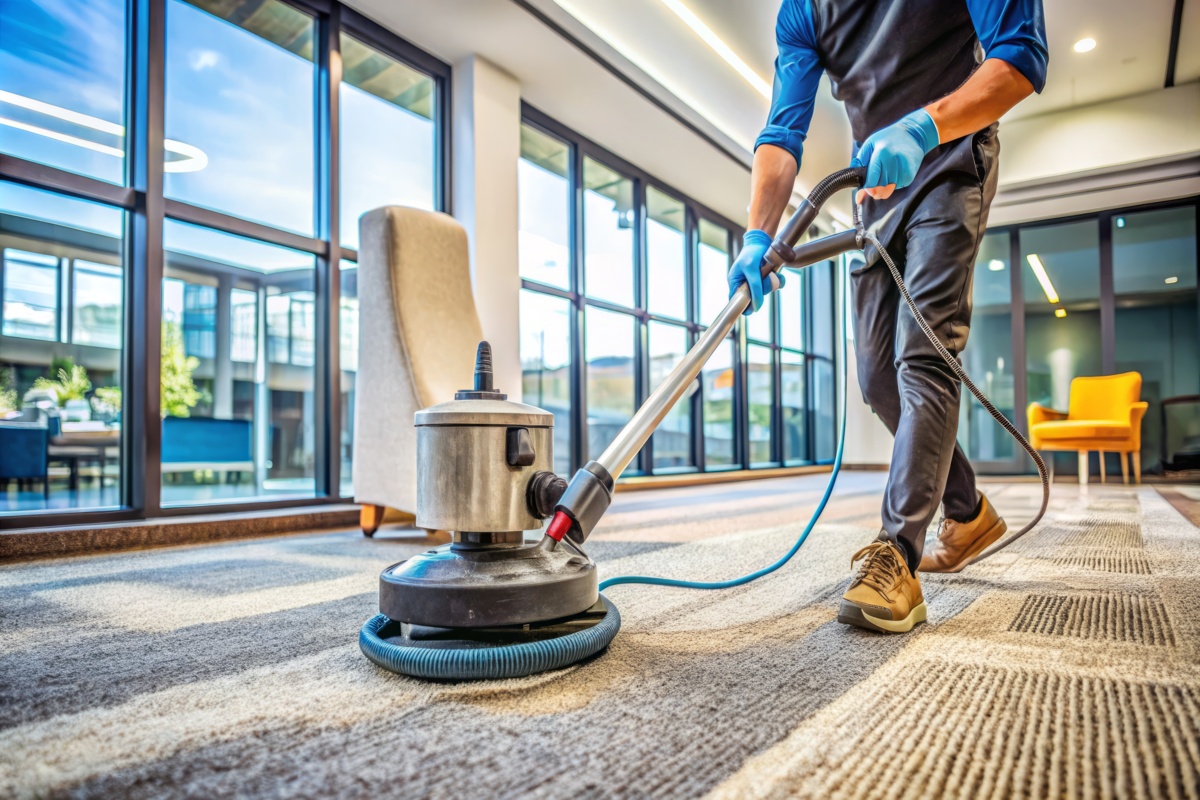
We rely on HEPA-filter vacuums and microfiber systems to improve surface contact and air quality. Professional equipment helps deliver consistent results across all areas of the facility.
Why Medical Facilities Choose Cleaning Up KC
Healthcare-Focused Training
Our team receives training specific to healthcare environments and exposure risks. This ensures protocols are followed correctly and consistently.
Custom Cleaning Plans
Each facility receives a cleaning plan based on size, services, and patient flow. This approach keeps high-risk areas prioritized without unnecessary overlap.
Flexible Scheduling
We offer after-hours and low-traffic scheduling to avoid disruption. Reliable timing helps medical teams stay focused on patient care.
Frequently Asked Questions
How Often Should a Medical Office Be Cleaned?
Most medical offices require daily professional cleaning to maintain safety and consistency. High-traffic areas often need attention every visit.
Can Cleaning Plans Be Customized by Practice Type?
Yes, protocols vary by practice type and layout. We adjust procedures and frequency based on how the space is used.
Maintaining Standards in Medical Facilities
Cleanliness in healthcare settings supports safety, trust, and compliance. Consistent processes and accountability matter more than appearances alone. If you are ready for dependable service backed by clear standards, contact Cleaning Up KC today to request a quote for medical facility cleaning.